
The phone is sitting on the kitchen table, surrounded by medication bottles, appointment notes, and a list of questions no one expected to be asking. Your family knows your loved one needs more support, but choosing hospice feels different from choosing any other type of healthcare. You want someone who will care for the person you love, listen to your family, and be there when you need answers.
Finding the right local hospice provider can make that difficult transition feel less uncertain. At Allelon Hospice, we understand that families in Pueblo and throughout Southern Colorado aren’t simply comparing services. They’re deciding who they trust to walk alongside them during an incredibly personal season of life, and this guide can help you know what to consider as you make that choice.
Start With the Kind of Care Your Family Needs
Hospice focuses on comfort and quality of life for people living with life-limiting illnesses. Rather than focusing on curing the illness, the hospice team works to manage symptoms, promote comfort, and support both the patient and the people who love them. For families who have spent months or years moving between appointments, treatments, and hospital visits, that shift in focus can bring a different kind of support.
One of the first things to consider when choosing a provider is where and how your loved one wants to receive care. Hospice does not necessarily mean moving somewhere new. Allelon provides hospice care wherever a patient calls home, whether that is a private residence, assisted living community, or care facility.
It is also important to look beyond the word “hospice” and ask who will actually provide the care. Hospice is an interdisciplinary service, meaning several professionals work together to address different needs. Allelon’s team includes nurses, physicians, chaplains, social workers, hospice aides, and trained volunteers who collaborate around an individualized plan of care.
What Questions Should You Ask a Local Hospice Provider?
Families sometimes assume hospice providers are essentially interchangeable because they offer many of the same core services. The way those services are delivered, however, can have a meaningful impact on a family’s experience. Asking specific questions can help you understand what communication, availability, and personal attention may actually look like once care begins.
Start by thinking about the situations that concern your family most. Maybe you are worried about what happens if symptoms change overnight, who you will call with questions, or whether the team will understand your loved one’s spiritual preferences. These concerns can help you move beyond a list of services and learn how a provider approaches the day-to-day realities of hospice care.
Questions worth discussing with a prospective provider include:
- Who will be part of our hospice team, and how will we communicate with them?
- How does your team develop an individualized plan of care?
- What happens if we need hospice support after normal business hours?
- How do you support family caregivers?
- Is spiritual support available, and is it tailored to the patient’s preferences?
- How do you coordinate with our existing physicians and other healthcare providers?
- What support is available to our family after our loved one passes?
- How quickly can the hospice team respond when a patient’s needs change?
The answers should leave you with a clearer understanding of what your family can expect. You should feel comfortable asking follow-up questions, especially if something is unclear. Choosing a hospice care team in Pueblo is too important for families to feel rushed through the conversation.
Why Personal Attention Matters in Hospice Care
Hospice involves clinical expertise, but it also involves relationships. A nurse may be managing pain or other symptoms while also explaining changes to a worried spouse. A social worker may help a family work through practical concerns while a chaplain provides spiritual or emotional support according to the patient’s wishes.
That is one reason we believe staffing and availability deserve attention when families compare hospice providers. Allelon maintains lower patient-to-nurse and patient-to-CNA ratios than other hospices in the area. For us, this reflects our commitment to providing personalized attention and giving our team the ability to focus closely on the patients and families entrusted to our care.
Families should also ask what happens outside regular office hours. Serious illness does not follow a Monday-through-Friday schedule, and questions can arise in the evening, overnight, on weekends, or during holidays. Allelon is available 24 hours a day, 365 days a year, so families have a way to reach their hospice team when they need guidance.
That kind of access can matter emotionally as much as practically. Family caregivers often carry significant responsibility, and uncertainty can make that responsibility feel even heavier. Knowing whom to call and having a team familiar with your loved one’s care plan can provide reassurance during moments when you are not sure what to do next.
Choosing a Local Hospice Provider Who Shares Your Values
The right hospice relationship is about more than scheduling visits. Families are inviting a care team into deeply personal moments, often inside their own homes. Trust, respect, communication, and a provider’s philosophy of care can therefore matter just as much as the services listed on a website.
Allelon comes from a Greek word meaning “one another,” and that idea shapes the way we approach our work. Our mission is rooted in the biblical principle of shepherding, with a charge to lead, protect, and care for those entrusted to us. We seek to put that mission into practice through goodness, integrity, accountability, unity, stewardship, and respect.
Our faith guides the way we serve, but hospice care remains centered on each individual patient and family. Spiritual and emotional needs are personal, so support should respect the beliefs, preferences, traditions, and wishes of the people receiving it. A family’s questions about spiritual care are worth discussing with any provider they are considering.
For families comparing options, consider how a provider talks about the people it serves. Do you feel like someone is listening to your concerns, or simply moving through an intake process? A conversation with a local hospice team can tell you a great deal about whether the relationship feels right for your family.
Making a Decision With Greater Peace of Mind
There may never be a moment when choosing hospice feels easy. Families can experience relief, uncertainty, sadness, love, and even gratitude at the same time. Having clear information about what a provider offers can make it easier to focus on what matters most: your loved one’s comfort, dignity, wishes, and quality of life.
You also do not need to have every answer before starting the conversation. A hospice team can explain services, discuss eligibility, answer questions about care at home, and help you understand what the next steps could look like. Learning about hospice services in Pueblo does not require your family to navigate the process alone.
At Allelon Hospice, our approach comes back to the meaning behind our name: “one another.” We believe this season calls for attentive care, dependable support, and people who are willing to walk alongside patients and families with compassion. That is the standard we seek to bring into every relationship.
Choosing a local hospice provider is ultimately about finding a team your family can trust during a time when comfort and connection matter deeply. The right support can help ease practical uncertainty while giving families more space to be present with one another.
If your family is considering hospice in Pueblo, Greenhorn Valley, or a surrounding Southern Colorado community, we welcome your questions. Learn more about hospice care from Allelon Hospice and contact our team when you’re ready to talk. We’re here to help you understand your options and walk this road with you.
Frequently Asked Questions:
What should I look for when choosing a local hospice provider?
Look beyond the basic list of services and ask about availability, communication, the care team, individualized support, and family resources. The provider should be willing to answer your questions clearly and explain what your family can expect.
Does hospice care have to take place in a hospice facility?
No. Hospice can often be provided wherever a patient calls home, including a private residence, assisted living community, or care facility. Allelon Hospice serves patients in the setting they call home.
Who is typically part of a hospice care team?
Hospice uses an interdisciplinary approach that can include nurses, physicians, social workers, chaplains, hospice aides, and trained volunteers. Team members work together to address physical, emotional, social, and spiritual needs.
Why should I ask about patient-to-nurse ratios?
Staffing can influence how a hospice team manages its patient caseload and provides individualized attention. Allelon maintains lower patient-to-nurse and patient-to-CNA ratios than other hospices in the area.
Is hospice support available at night or on weekends?
Allelon Hospice is available 24 hours a day, 365 days a year. This gives families a way to reach their hospice team when questions or changing needs arise outside regular business hours.
How does a local hospice provider support family caregivers?
Support can include education, guidance from the care team, emotional and spiritual resources, and respite services when appropriate. Hospice recognizes that caregivers need support as they care for someone they love.
Can hospice provide spiritual support?
Yes. Chaplains can provide spiritual and emotional support based on the needs and preferences of patients and families. At Allelon, our own mission is faith-driven while our care respects each family’s individual beliefs and wishes.
How do I know when it is time to contact hospice?
You do not need to wait until you are certain hospice is the next step before asking questions. Families can contact a hospice provider to learn about eligibility, available services, and what care could look like for their situation.
Does Medicare cover hospice care?
Eligible Medicare recipients can receive covered hospice benefits with no out-of-pocket expense for hospice services covered under the benefit. A hospice team can help families understand eligibility and how coverage applies to their situation.
Alt Text for Image
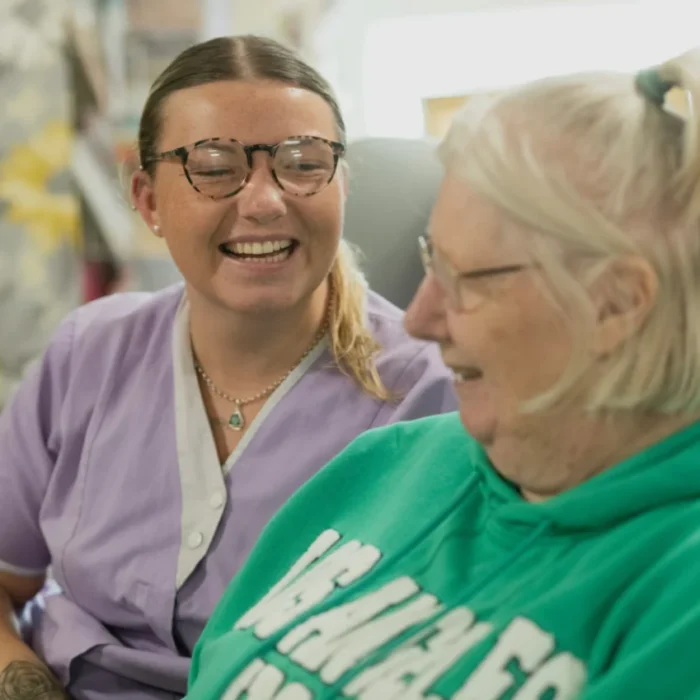
Local hospice provider supporting a family in Pueblo, CO