
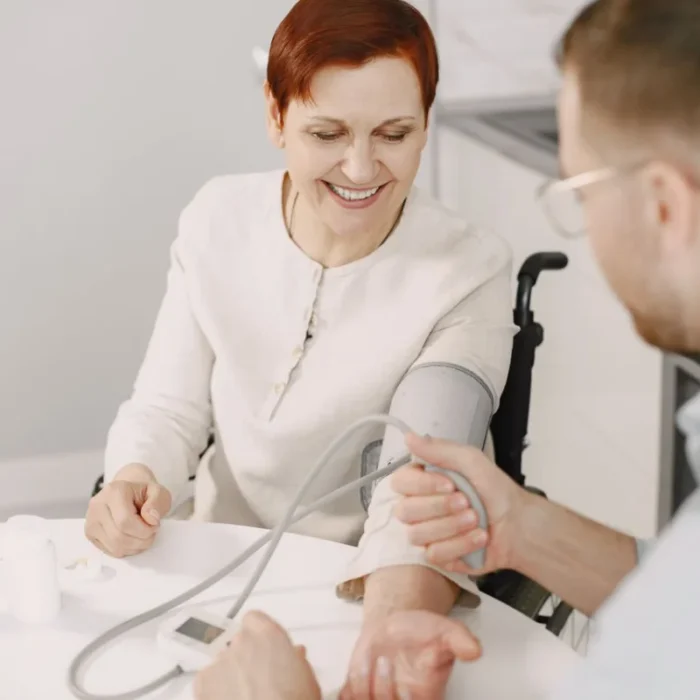
A daughter sits on her couch in the Greenhorn Valley, staring at a notebook filled with medication schedules, doctor appointments, and unanswered questions. Her father’s health has been declining, and every decision feels heavier than the last. The nearest specialist is miles away, and she wonders how she can continue balancing work, family responsibilities, and caregiving without feeling overwhelmed.
For many families, this situation is all too familiar. The accessibility of hospice in rural Colorado communities can make a significant difference when a loved one is facing a serious or life-limiting illness. At Allelon Hospice, we understand the unique challenges families throughout Pueblo, the Greenhorn Valley, and Southern Colorado encounter. Our mission is rooted in the meaning of our name, “one another,” and we are committed to bringing compassionate care, guidance, and support directly to the people who need it most.
Understanding the Challenges Facing Rural Families
Living in a rural community offers many advantages, including close-knit relationships, beautiful landscapes, and a slower pace of life. However, when serious illness enters the picture, distance can create challenges that urban families may not experience. Accessing healthcare services often requires longer travel times, and caregivers may feel isolated when managing complex needs at home.
Many family members become the primary source of support for aging parents or seriously ill loved ones. They coordinate appointments, monitor symptoms, manage medications, and provide emotional encouragement. Over time, these responsibilities can become physically and emotionally exhausting.
The uncertainty can be particularly difficult. Families often wonder whether they are making the right choices or providing enough care. They may hesitate to ask for help because they assume hospice services are unavailable in their area or believe they must travel to receive specialized support.
These concerns can delay important conversations about comfort, quality of life, and available resources. Unfortunately, waiting too long can mean families miss opportunities to receive guidance that could ease stress and improve their loved one’s experience.
Accessibility of Hospice in Rural Colorado Communities Starts with Meeting Patients Where They Are
One of the biggest misconceptions about hospice care is that patients must leave their homes to receive services. In reality, hospice care is designed to meet patients wherever they call home. This approach is especially valuable for individuals living in rural communities throughout Southern Colorado.
Most people want to remain in familiar surroundings during difficult times. Home often provides comfort, stability, and a sense of normalcy. Being surrounded by family, treasured memories, and daily routines can have a meaningful impact on emotional well-being.
At Allelon Hospice, we serve patients in private residences, assisted living communities, and care facilities throughout Pueblo and surrounding areas. Rather than requiring families to travel for support, we bring care directly to them. This helps reduce unnecessary stress while ensuring patients receive compassionate attention tailored to their individual needs.
For rural families, this accessibility can be life-changing. Instead of focusing on transportation logistics and lengthy drives, they can spend more time sharing meaningful conversations, creating memories, and supporting one another.
When care comes to the patient, comfort becomes more attainable and families gain greater peace of mind knowing professional support is available where it is needed most.
The Power of an Interdisciplinary Care Team
Serious illness affects much more than physical health. Patients and families often experience emotional, social, and spiritual challenges that require thoughtful support from multiple perspectives. That is why hospice care relies on an interdisciplinary team approach.
Rather than working with a single provider, patients benefit from a coordinated team of professionals who collaborate to address every aspect of care. This approach helps ensure no one is facing the journey alone.
At Allelon Hospice, our interdisciplinary team includes nurses, physicians, chaplains, social workers, hospice aides, and trained volunteers. Each team member contributes specialized expertise while working together toward a common goal: improving quality of life for patients and families.
Nurses help monitor symptoms and support comfort. Physicians oversee medical care plans. Chaplains provide spiritual guidance for those who desire it. Social workers help families navigate practical concerns and connect with resources. Volunteers offer companionship and encouragement that can brighten difficult days.
This team-based model is particularly valuable in rural communities, where healthcare resources may be spread across larger geographic areas. Families gain access to a network of support that helps them feel informed, empowered, and cared for throughout the process.
Why Around-the-Clock Support Matters
Serious illness rarely follows a convenient schedule. Questions and concerns can arise late at night, during weekends, or on holidays. For caregivers already managing significant responsibilities, these moments can feel especially stressful.
Many families worry about what will happen if symptoms change unexpectedly or if they are unsure how to respond to a new situation. Without professional guidance, uncertainty can quickly turn into anxiety.
That is why 24/7 availability is such an important part of hospice care. Knowing that help is only a phone call away provides reassurance when families need it most. Instead of waiting until the next business day, caregivers can reach out for support and receive guidance from experienced professionals.
For families living in Pueblo, the Greenhorn Valley, and surrounding rural communities, this accessibility is particularly meaningful. When healthcare facilities may be farther away, immediate access to knowledgeable support can make a significant difference in confidence and peace of mind.
Having someone available to answer questions, provide direction, and offer encouragement helps families feel less isolated. It reinforces the understanding that they are not carrying the burden alone.
Compassion Rooted in Community and Faith
The accessibility of hospice in rural Colorado communities is about more than healthcare services. It is about ensuring every person is treated with dignity, compassion, and respect during one of life’s most important transitions.
At Allelon Hospice, our mission is guided by the spirit of “one another.” This philosophy shapes how we serve patients, families, healthcare partners, and the broader Southern Colorado community. We believe care should be personal, compassionate, and centered on the unique needs of each individual.
Many families find comfort in working with a faith-centered, mission-driven hospice provider that values relationships over transactions. We are not a large corporate chain. We are a team dedicated to walking alongside families with integrity, empathy, and genuine concern.
Our commitment extends beyond medical support. We strive to create meaningful connections, offer encouragement during difficult moments, and help families feel supported every step of the way. Whether a family is seeking answers, comfort, or simply someone who understands what they are experiencing, we are here to help.
Families throughout Pueblo and the Greenhorn Valley deserve access to quality hospice care without having to sacrifice the comfort of home or the support of their community. Accessible hospice services help make that possible.
Facing a serious illness is challenging enough without worrying about distance, travel, or limited access to care. The accessibility of hospice in rural Colorado communities allows patients to remain in familiar surroundings while receiving compassionate support tailored to their needs. It also gives families the guidance, reassurance, and resources they need during an emotional time.
At Allelon Hospice, we are honored to serve families throughout Pueblo, the Greenhorn Valley, and surrounding Southern Colorado communities. Through care delivered wherever patients call home, an interdisciplinary team approach, and 24/7 support, we help families find comfort and peace of mind when it matters most.
Ready to get answers and find peace of mind? Contact Allelon Hospice today — we’re here to walk this road with you. Learn more about our mission and care philosophy at https://allelonhospice.com/about/ and explore our hospice services at https://allelonhospice.com/hospice/
Frequently Asked Questions:
What hospice services are available in rural Colorado communities?
Hospice services can include nursing care, physician oversight, symptom management, spiritual support, social work services, hospice aides, and volunteer support delivered wherever the patient lives.
Can hospice care be provided in my home?
Yes. Hospice care is commonly provided in private residences, assisted living communities, and care facilities, allowing patients to remain in familiar surroundings.
How does hospice help family caregivers?
Hospice teams provide education, emotional support, care coordination, and guidance that helps caregivers feel more confident and less overwhelmed.
Why is hospice important in rural areas?
Rural families may face longer travel times and fewer healthcare resources. Hospice helps bridge those gaps by bringing compassionate care directly to patients.
What makes Allelon Hospice different?
Allelon Hospice is a faith-centered, mission-driven provider focused on personalized care, meaningful relationships, and serving families throughout Southern Colorado.
When should someone consider hospice care?
Hospice may be appropriate when a person is living with a life-limiting illness and comfort-focused care becomes the primary goal.
Does hospice care include spiritual support?
Yes. Chaplains and spiritual care providers can offer guidance, encouragement, and support based on each patient’s beliefs and preferences.
Is hospice available outside regular business hours?
Yes. Allelon Hospice offers support 24 hours a day, 7 days a week, providing families with assistance whenever concerns arise.
Who is part of a hospice care team?
A hospice team often includes nurses, physicians, chaplains, social workers, hospice aides, and trained volunteers who work together to support patients and families.
How does hospice improve quality of life?
Hospice focuses on comfort, symptom management, emotional well-being, and individualized support, helping patients make the most of their time with loved ones.